Transfer analysis · AC Milan
Why AC Milan Have Signed Gonçalo Ramos
A new No.9, a record fee and one last attempt to end Milan’s striker carousel.
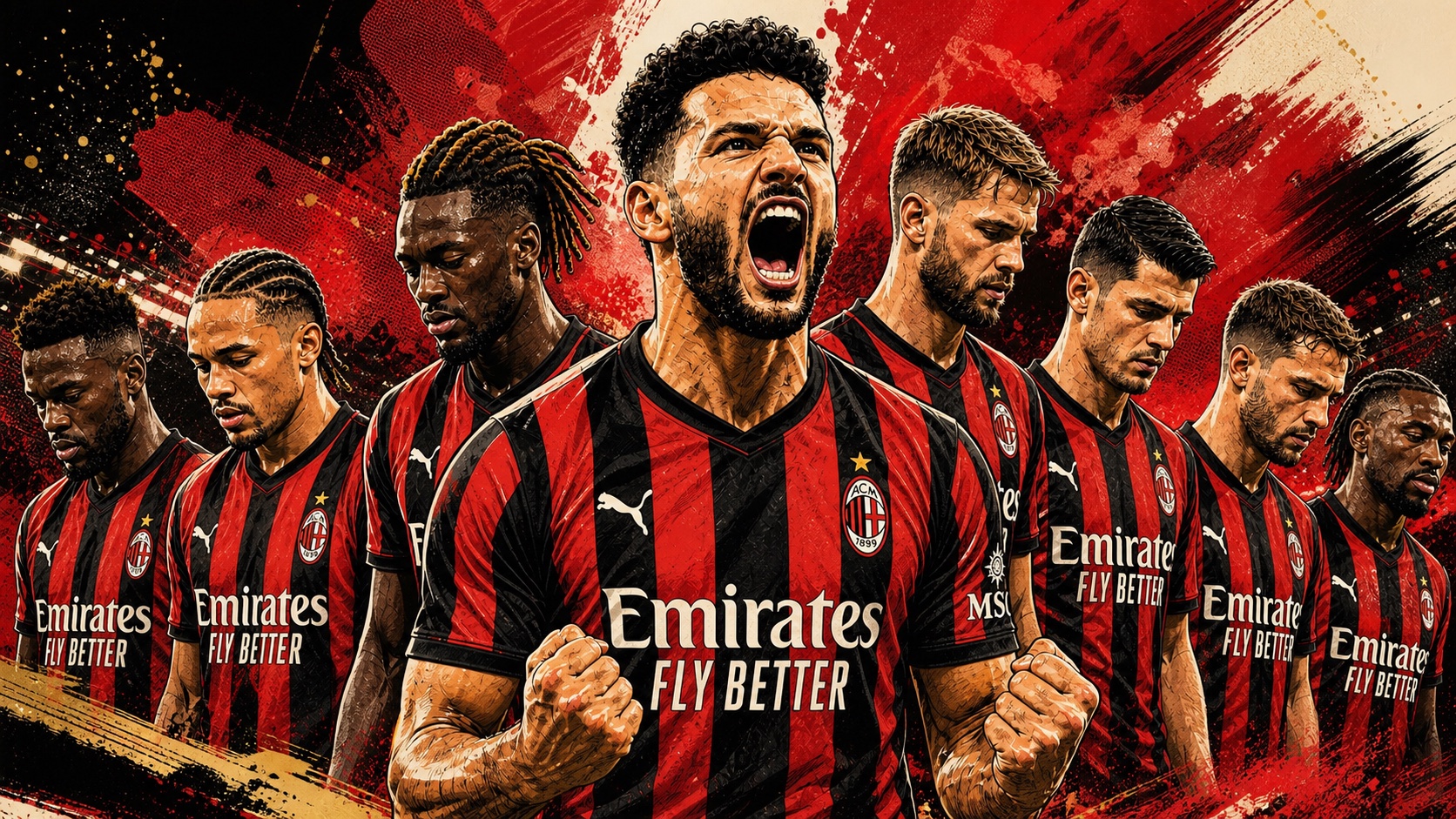
AC Milan have spent as if they believe Gonçalo Ramos can finally halt their dizzying No.9 carousel. The Portuguese forward has joined from Paris Saint-Germain on a deal until 2031, with the fee reported at €70–75 million. At 25, he is supposed to become a pillar of Rúben Amorim’s rebuild rather than the latest expensive sticking plaster. Milan have tried almost every species of striker in recent seasons; Ramos has been signed to make the position his own.
The logic is simple. Ramos is at his best in the penalty area: he moves early, attacks the near post and leads the press without behaving as though every attack must filter through him. That suits Amorim’s preference for predetermined movements and a trustworthy focal point; Ramos provides both. Experience with Benfica, PSG and Portugal should also prepare him for Milan’s pressure cooker, where an infertile month can feel like a minor existential crisis.
The Numbers Behind the Bet
At PSG, he registered 45 goals and ten assists in 131 appearances. Commendable, certainly; hardly the sort of return that causes €75 million to fall out of a director’s back pocket. His minutes provide the necessary backdrop. Luis Enrique seldom treated him as a regular starter, yet Ramos still scored 12 times in 45 games last season and continuously made an impact from the bench. His last full campaign as Benfica’s first-choice striker delivered 27 goals in 47 matches, and Milan hope regular starts will resurrect that version.
Striker profile · Ligue 1 2025/26
The Numbers Behind the Movement
Per 90 values calculated from 1,318 Ligue 1 minutesFinishing, passing and pressing context
The older full-league sample is used because a trustworthy public 2025/26 progressive-passing total was not available. It reinforces the role distinction: Ramos progresses attacks chiefly with movement and receptions, not quarterback passing.
Most of Ramos’s best work is pleasingly bereft of theatrics. He reaches central shooting positions, lays the ball off quickly and continues his run into the box. His hat-trick against Switzerland at the 2022 World Cup demonstrated the full package: near-post movement, an intuitive finish and a perfectly timed run into space. But Milan will care more about the actions he repeats every week. He does not need to dominate possession to antagonise centre-backs.
Availability matters. Ramos was not PSG’s first-choice striker last season, but still made 45 appearances across a taxing season. Milan need somebody who can take chances, remain upright and give a developing team a consistent reference point; recent history suggests that clearing all three hurdles would represent progress.
Ramos is a top striker… He has the qualities we’re looking for and is exactly the kind of player that fits the team we want to build.
Rúben Amorim, July 2026
How He Improves Amorim’s Attack
Amorim’s attacks often form a front five. The wing-backs provide the width, two inside forwards occupy the half-spaces and the striker keeps the centre-backs busy. Ramos fits intrinsically into the central role. He can run beyond the defence when Christian Pulisic receives between the lines, then attack the six-yard box when a wing-back crosses. Without the ball, his curved press can guide play towards the touchline and give the rest of the team a clear cue to follow.
Ramos occupies both centre-backs and gives Milan a fixed central target.
Ramos should also relieve the muddle around him. Nkunku was asked to create and finish, Santiago Giménez was frequently deserted to contest isolated duels, and Füllkrug arrived as emergency depth. With a recognised No.9, the supporting attackers can return to their proper jobs. Ramos’s movement should open room for Pulisic and the two No.10s, while his pressing gives Amorim a reliable trigger from the attack and gives Milan a clearer attacking shape.
Did Milan Overpay?
Probably. PSG paid around €65 million for Ramos and never made him first choice, yet Milan have reportedly agreed to pay even more after three seasons of irregular football. For a club outside the Champions League, €70–75 million is not loose change discovered beneath Silvio Berlusconi’s old sofa. His PSG record of 0.34 goals per game belongs to a handy forward, not yet to the game-changing scorer the fee suggests.
Milan’s thinking is that the fee represents more than his PSG numbers. Ramos is 25, has signed for five seasons and was specifically asked for by the coach. A regular role and a 20-goal return would make the price more palatable. If the coach departs and the system mutates with him, Milan could inherit yet another expensive forward without a natural home. They are paying for the player they expect Ramos to become, not the substitute PSG frequently used.
We want to play attractive and attacking football. This is the beginning of a new chapter.
Gerry Cardinale, July 2026
Why the Others Failed
The strikers who predated Ramos’ arrival did not all fail for the same reasons. Divock Origi arrived with fitness problems and never found any cadence. Noah Okafor was more suited to running into space than playing as the focal point. Álvaro Morata linked play well but didn't offer enough penalty-box threat, while Tammy Abraham was just a flash in the pan. Giménez dealt with injury and isolation. Nkunku was not a natural No.9 and struggled to stay fit; a recurring theme in his career. Füllkrug, signed in the winter, was only ever a short-term answer and was used sparingly from the bench.
The recurring antagonist has been Milan’s planning. Too often they have signed a forward before changing the role, coach or entire system around him; even the sharpest shooter will struggle when the target keeps moving. Ramos begins with greater certainty: Amorim wanted him, his responsibilities are defined, and his contract gives the project time. Milan may finally possess an answer to their No.9 conundrum, provided they dare to stick to the plan.
Continue reading
The Next Idea

Pep’s Purest Reign
The three years that changed Germany and Guardiola.
Read the analysis →